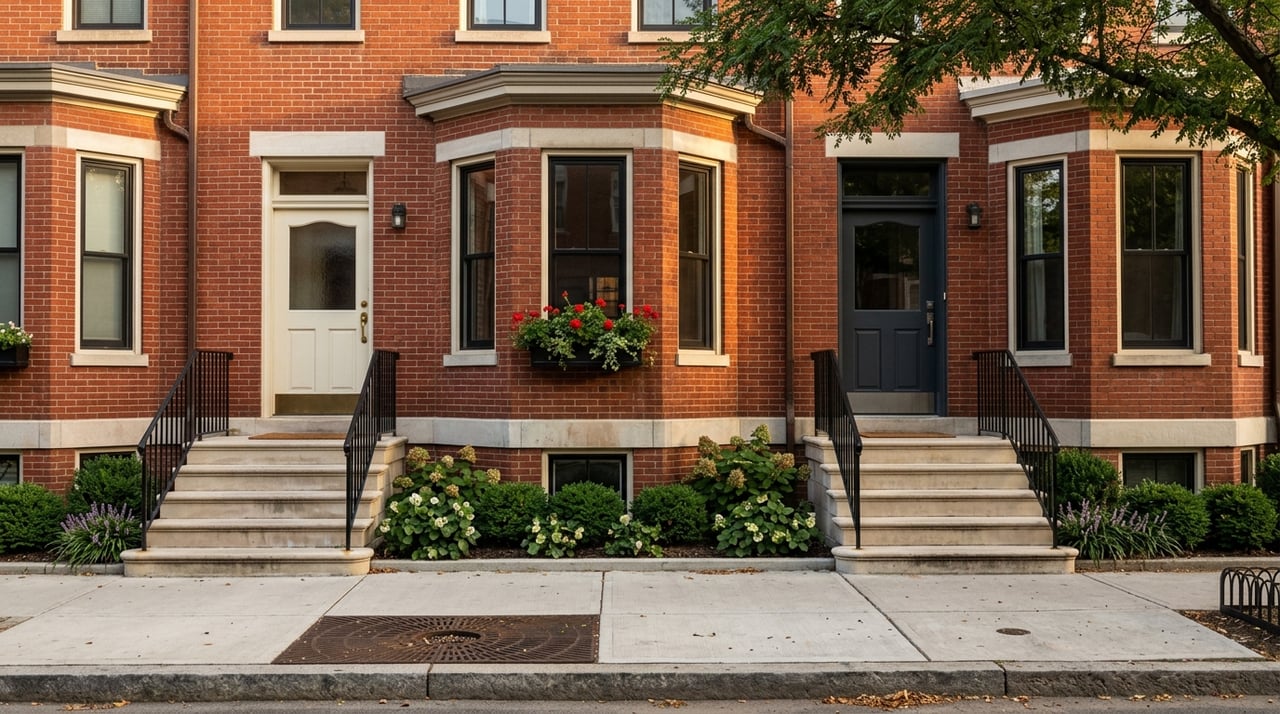
Curious where you can still find classic DC rowhomes, a strong neighborhood feel, and easy access to some of the city’s biggest activity hubs? Bloomingdale and Eckington stand out for exactly that reason. If you are trying to understand how these two adjacent neighborhoods compare, this guide will help you see what makes each one distinct, what they share, and why buyers keep them on their shortlist. Let’s dive in.
Why Bloomingdale and Eckington Matter
Bloomingdale and Eckington sit on either side of North Capitol Street in Ward 5, and together they tell an important story about how DC grows. Both neighborhoods are tied to the city’s transit history, and both offer a residential feel that stays close to major routes, university campuses, and downtown access.
What makes them especially interesting is the contrast. Bloomingdale feels more visually unified because of its historic district character, while Eckington shows more of the area’s ongoing change through its mix of older homes, industrial edges, and newer mixed-use development.
Bloomingdale’s Historic Rowhouse Identity
Bloomingdale is an officially designated historic district with a period of significance from 1891 to 1948. DC preservation documents describe it as a 28-block neighborhood shaped by rowhouses, small front yards, alley buildings, and neighborhood-scale commercial buildings along First Street, Rhode Island Avenue, and North Capitol Street.
If you walk block to block, that historic identity is easy to notice. The neighborhood’s preservation guidelines emphasize the massing, rooflines, and street-facing character of its rowhouses, which helps explain why Bloomingdale feels so cohesive.
For buyers, that often means a stronger sense of architectural continuity. If you are drawn to classic brick facades, a traditional streetscape, and the familiar rhythm of DC rowhome living, Bloomingdale tends to deliver that experience in a very clear way.
What the historic district means
Historic designation helps preserve the neighborhood’s visual character. In practical terms, that supports the look and feel many buyers associate with established DC rowhome blocks.
That does not mean every house is identical. It means the overall streetscape, including rooflines and front-facing design, remains a defining part of Bloomingdale’s identity.
Eckington’s Evolving Housing Mix
Eckington has roots as a late-19th-century residential subdivision shaped by the city’s first electric streetcar line. Its history also includes rail freight yards and private industry, and that blend of residential and industrial influence still helps define the neighborhood today.
Compared with Bloomingdale, Eckington feels less uniform. You will see older residential fabric, but you will also notice a more visibly mixed-use and evolving setting.
One strong example is Eckington Yards, a mixed-use project that includes apartments, condos, and about 70,000 square feet of retail. That kind of development shows how Eckington offers newer housing options alongside older homes, which can appeal to buyers who want modern condo or apartment product in the same general part of the city.
Why Eckington feels different
Eckington’s identity comes partly from variety. Instead of one dominant historic rowhouse pattern, you get a neighborhood where residential blocks, industrial history, and newer development all play a role.
For some buyers, that variety is the draw. If you want to compare classic housing with newer options without leaving central DC, Eckington can widen your choices.
Comparing Housing Options
For many buyers, the Bloomingdale and Eckington conversation starts with housing type. These neighborhoods are close together, but the experience of shopping in each one can feel different.
| Neighborhood | General Housing Character | What Stands Out |
|---|---|---|
| Bloomingdale | Primarily historic rowhouses | Cohesive streetscape and preserved architectural character |
| Eckington | Older homes plus newer mixed-use residential product | More visible neighborhood change and broader housing mix |
If you are buying, that difference matters. Some people want the classic feel and consistency of a historic rowhome area, while others want flexibility between older homes and newer condos or apartments.
If you are selling, that difference matters too. Presentation, pricing, and buyer targeting can vary depending on whether your home fits a historic rowhouse story, a newer mixed-use story, or something in between.
Everyday Lifestyle and Local Rhythm
A neighborhood is not just about housing stock. It is also about what your week feels like once you live there.
In Bloomingdale, one of the clearest lifestyle anchors is the Bloomingdale Farmers Market. DC Health’s 2026 guide lists it at 105 R St NW on Sundays from 9:00 a.m. to 1:00 p.m., year-round, with Produce Plus, SNAP matching, and Senior/WIC benefits accepted.
Big Bear Cafe adds another layer to that Sunday routine. Its market description highlights farm-fresh produce, artisan breads, pantry staples, pasture-raised meats, local pop-ups, and live music, which helps explain why the market is more than a quick shopping stop.
Bloomingdale’s weekend feel
For many residents, a year-round Sunday market helps create neighborhood rhythm. It gives Bloomingdale a recurring gathering point that adds to its small-scale, community-oriented feel.
That kind of amenity can shape how a place feels over time. When buyers talk about wanting a neighborhood with local texture, this is the kind of detail they often mean.
Dining and Nearby Commercial Energy
While Bloomingdale brings a neighborhood-scale identity, Eckington benefits strongly from nearby commercial growth. Its location places it close to NoMa and the Union Market edge, which expands your dining and retail options without requiring you to live in a fully commercial environment.
Union Market District describes itself as DC’s culinary creativity hub with more than 60 food and beverage partners. Washington’s tourism office also describes it as an open-daily market with a wide range of culinary experiences, which makes it a major draw for people living nearby.
NoMa adds even more activity. WDCEP highlights recent retail and restaurant openings in the area and notes that the Metropolitan Beer Trail links 11 brewpubs and bars from Union Station north through NoMa, Eckington, and Brookland.
What that means for Eckington buyers
If you are considering Eckington, proximity is part of the value. You may not be choosing the neighborhood only for what is inside its borders, but also for how easily it connects you to nearby retail, dining, and gathering spots.
That can be especially appealing if you want residential streets with access to busier destinations close by. It is one reason Eckington often feels practical as well as up-and-coming.
Transit and Getting Around
One reason both neighborhoods continue to attract attention is how central they feel once you map out your routes. The Mid City East Small Area Plan notes that the area is traversed by North Capitol Street, New York Avenue, Rhode Island Avenue, New Jersey Avenue, and Florida Avenue.
WMATA lists nearby Metrorail access points including NoMa-Gallaudet U at 1301 2nd Street NE and Rhode Island Avenue at 801 Rhode Island Avenue NE. Shaw-Howard U also provides pedestrian access to Howard University’s campus.
For many buyers, that combination matters as much as the home itself. You can get a neighborhood-scale residential setting while staying connected to work, school, and everyday city movement.
Nearby Universities Add Practical Appeal
Bloomingdale and Eckington are also close to two major university campuses. Howard University’s main campus is at 2400 Sixth Street NW, and Gallaudet University’s campus is at 800 Florida Avenue NE.
Gallaudet describes its campus as a National Historic Landmark District with 99 acres and 2.5 million square feet of academic, residential, and support space. WMATA also notes that NoMa-Gallaudet U is within walking distance of Gallaudet and connected to the Metropolitan Branch Trail.
This proximity does not define the neighborhoods, but it does add to their practical appeal. For buyers who want access to campus areas, employment centers, and city infrastructure, location is part of the story.
Why Buyers Watch This Area Closely
Taken together, Bloomingdale and Eckington offer a combination that can be hard to find. You get neighborhood-scale housing, strong rowhome character in Bloomingdale, more visible housing evolution in Eckington, and practical access to transit and nearby activity centers.
That makes the area worth a close look if you want options. You can compare preserved historic housing with larger new-build residential choices while staying in the same part of the city.
It also makes these neighborhoods useful for different buyer goals. First-time buyers, move-up buyers, and relocators may all see something different here, depending on whether they care most about historic charm, newer housing inventory, central access, or lifestyle convenience.
What Sellers Should Keep in Mind
If you own in Bloomingdale or Eckington, neighborhood identity can shape how your home is marketed. In Bloomingdale, buyers may respond strongly to architectural details, historic context, and the consistency of the surrounding streetscape.
In Eckington, the strategy may depend more on your exact housing type and micro-location. A classic home, a condo, or a unit in a newer mixed-use setting may each need a slightly different positioning story.
This is where thoughtful preparation matters. Strong pricing, polished presentation, and clear neighborhood framing can help buyers understand not just the home, but why its location fits their goals.
If you are thinking about buying or selling in Bloomingdale or Eckington, working with a team that understands DC rowhomes, condos, pricing strategy, and preparation can make the process much smoother. The Bediz Group brings local market knowledge, hands-on guidance, and a strong presentation approach to help you move with confidence.
FAQs
What is the main difference between Bloomingdale and Eckington in DC?
- Bloomingdale is more historically cohesive and known for its preserved rowhouse character, while Eckington has a more mixed and evolving identity with older homes and newer mixed-use residential development.
What types of homes can you find in Bloomingdale and Eckington?
- Bloomingdale is known primarily for historic rowhouses, while Eckington offers a broader mix that can include older homes, condos, apartments, and newer mixed-use residential options.
Is Bloomingdale a historic district in Washington, DC?
- Yes. Bloomingdale is an officially designated historic district with a period of significance from 1891 to 1948.
What is the Bloomingdale Farmers Market schedule?
- DC Health’s 2026 market guide lists the Bloomingdale Farmers Market at 105 R St NW on Sundays from 9:00 a.m. to 1:00 p.m., year-round.
What transit options serve Bloomingdale and Eckington?
- Nearby WMATA stations include NoMa-Gallaudet U and Rhode Island Avenue, and the broader area is crossed by major corridors such as North Capitol Street, New York Avenue, Rhode Island Avenue, New Jersey Avenue, and Florida Avenue.
Why do buyers consider Bloomingdale and Eckington together?
- Buyers often compare them because they are close together, both offer neighborhood-scale housing, and each provides access to transit, nearby universities, and growing retail and dining areas, while still offering different housing character.