If you are deciding between a condo and a rowhouse in Dupont Circle, you are not just choosing square footage. You are choosing a daily rhythm, a maintenance style, and a level of control over your home. In a neighborhood known for historic architecture and block-by-block variety, that choice can feel exciting and a little overwhelming. This guide will help you compare condo versus rowhouse living in Dupont Circle so you can focus on the option that fits how you want to live. Let’s dive in.
Dupont Circle shapes the decision
Dupont Circle has a built-in contrast that makes this topic especially relevant. According to DC’s historic district documentation, larger apartment buildings and mansions tend to sit along the broader diagonal avenues, while rowhouses line the narrower grid streets.
That means your housing search may quickly split into two very different experiences. On one side, you may tour a condo in a multi-unit building with shared spaces and association rules. On the other, you may walk through a three- or four-story historic rowhouse with more private control and more direct upkeep.
What condo living often looks like
A condo usually means you own your individual unit within a larger building or shared community. Shared areas and facilities are owned collectively, and maintenance is typically handled through a condo association.
In practical terms, condo living can feel simpler day to day. Exterior work and common-area maintenance are often covered through condo fees, and those fees may also include items like water, sewer, trash, insurance for common areas, or reserve funding.
That does not mean every condo works the same way. In Dupont Circle, the condo experience can vary from one building to the next, from hallway-style buildings to garden-style layouts or multistory townhome-style units.
Condo costs to understand
One of the biggest factors in condo living is the monthly fee. Condo dues are usually separate from your mortgage payment, and they can range from a few hundred dollars per month to more than $1,000 per month.
That monthly structure can make budgeting feel more predictable. At the same time, you will want to understand exactly what the fee covers and whether there are any special assessments that could affect your future costs.
Condo rules to review
Condo ownership often comes with more rules than a rowhouse purchase. Before you plan changes to your unit or shared-facing elements, you should review the building’s governing documents carefully.
Depending on the property, improvements such as exterior-facing changes, structural updates, or certain materials and finishes may require advance approval. For many buyers, that tradeoff is worth it in exchange for less hands-on maintenance.
What rowhouse living often looks like
In Dupont Circle, rowhouse living is closely tied to the neighborhood’s historic character. DC planning documents describe many of the area’s rowhouses as three- and four-story homes built from the 1880s into the early 1900s, often in Queen Anne or Richardsonian Romanesque Revival styles.
For you, that often translates into vertical living, narrower frontage, and more architectural detail. Bay windows, decorative brickwork, turrets, gabled rooflines, and ornate trim can give a rowhouse a very different feel from a typical condo unit.
Rowhouse ownership also shifts more responsibility to you. Instead of paying a condo association to manage many shared items, you are generally responsible for repairs, property taxes, insurance, utilities, and ongoing maintenance costs directly.
Rowhouse budgets can be less predictable
A rowhouse may have fewer recurring association costs, but that does not always mean it is less expensive to own. The tradeoff is that repair surprises are more likely to land directly in your budget.
Roof work, exterior masonry, drainage, mechanical systems, and other major items can create uneven ownership costs over time. If you like control and privacy, that may feel like a fair trade. If you prefer steadier monthly expenses, a condo may feel easier.
Rowhouse changes may need review
Because Dupont Circle is a historic district, some exterior changes to rowhouses may require review. DC’s Historic Preservation Review Board requires review for items such as major additions, front or side additions, roof additions or roof decks visible from the street, significant changes to front openings, and new curb cuts or parking pads.
That matters if you are dreaming about a roof deck, a facade update, or new parking access. In a historic neighborhood, what you can do with a property is an important part of the buying decision.
Parking matters more than many buyers expect
Parking can be a major quality-of-life factor in Dupont Circle. The Lab @ DC reported that in 2022, 4,200 Dupont Circle residents’ cars had permits, while the neighborhood had only 2,500 residential street spaces.
That gap helps explain why buyers should take parking seriously during showings. Residents may need to park farther from home or pay for off-street parking, and DC DMV notes that residential parking permits apply only on designated blocks.
Condo parking questions to ask
If you are considering a condo, confirm whether parking is included, assigned, deeded, rented separately, or not available at all. You should also ask where guests typically park and whether the building has any off-street options.
A parking spot can change your day-to-day convenience in a meaningful way. In a neighborhood with tight street parking, that detail is not minor.
Rowhouse parking questions to ask
If you are considering a rowhouse, ask about alley access, rear parking, and garage setup if one exists. DC’s historic landscape guidance notes that rowhouse parking is typically located in rear yards adjacent to alleys, while front-yard driveways are typically not permitted on rowhouse blocks in historic districts.
That means not every rowhouse will offer easy off-street parking. If driving is part of your routine, parking should be high on your checklist.
Outdoor space feels different
Outdoor space is another area where condos and rowhouses can differ a lot. A rowhouse is more likely to include some private outdoor component, such as a rear yard, patio area, or alley-facing garage space.
By contrast, condos often trade private yard space for shared exterior areas or common amenities. If you want a small private outdoor retreat, a rowhouse may stand out. If you prefer less exterior upkeep, a condo may be the better fit.
In historic settings, outdoor changes can also come with limits. For example, new decks and patios are generally expected in rear yards when they are added to historic properties.
Layout can change how a home lives
The floor plan difference between a condo and a rowhouse is not just cosmetic. It can shape how your mornings feel, where you work, how you entertain, and how much stair use feels comfortable in daily life.
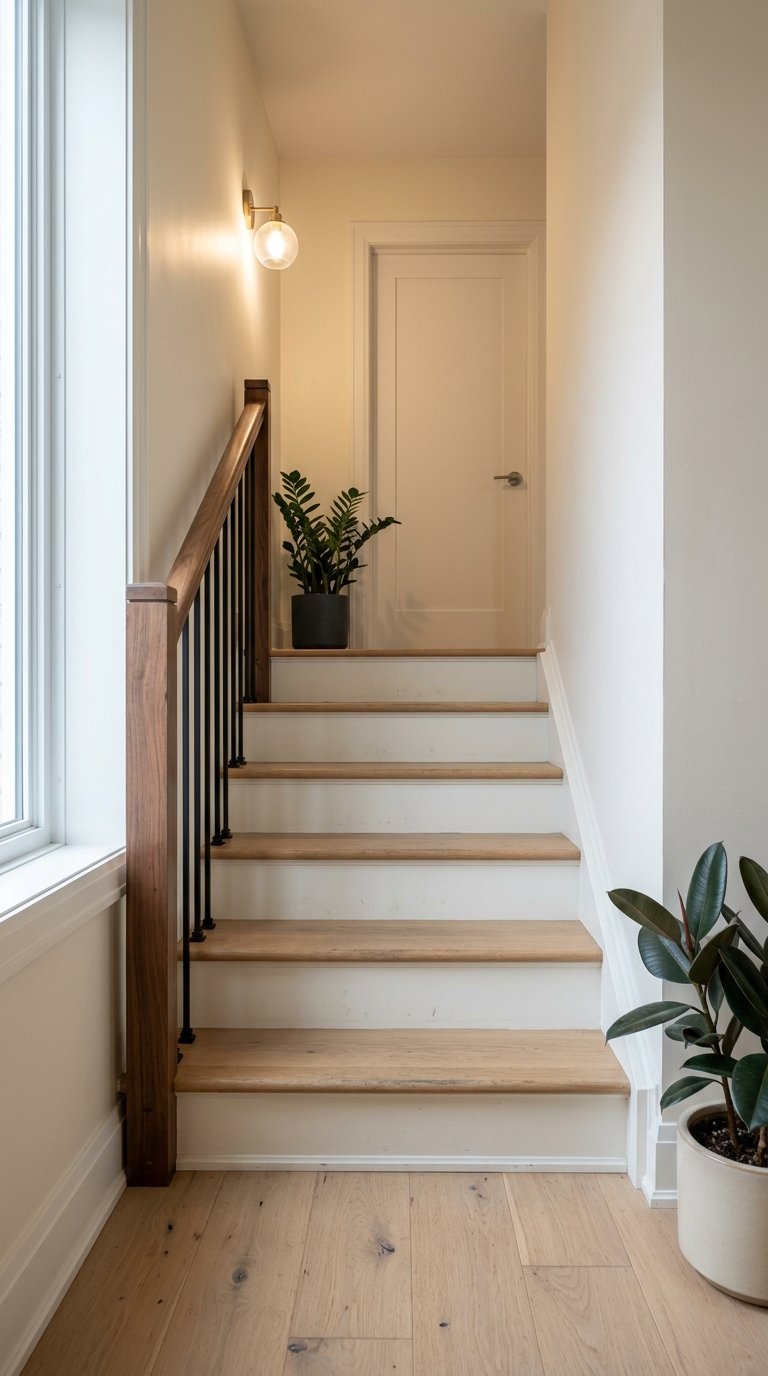
Condos can range from a compact single-level unit to a larger multistory townhome-style layout. Rowhouses in Dupont Circle are often vertically arranged across multiple floors, which can create more separation between living areas but also more stairs and narrower room stacking.
If you want everything on one main level, some condos may check that box more easily. If you like the idea of distinct floors for living, working, and sleeping, a rowhouse may feel more natural.
The core tradeoff: simplicity versus control
At the heart of this decision is a simple question. Do you want more shared structure with less day-to-day maintenance, or more private control with more direct responsibility?
A condo often gives you a more managed ownership experience. A rowhouse often gives you more autonomy over the property itself.
Neither is automatically better. The right fit depends on how you budget, how much upkeep you want to handle, how you feel about shared rules, and how important private outdoor space, parking, and historic character are to you.
A practical showing checklist
When you tour homes in Dupont Circle, it helps to compare them through the same lens each time.
Ask these questions for condos
- What does the monthly condo fee cover?
- Are there any current or planned special assessments?
- How large is the reserve fund?
- What does the master insurance policy cover?
- Is parking included, assigned, or separate?
- What modifications require approval?
Ask these questions for rowhouses
- What is the condition of major systems and exterior elements?
- Is there rear-yard access or alley access?
- Is parking available on-site, nearby, or street-dependent?
- Would a future roof deck, facade change, or exterior project require preservation review?
- How much ongoing maintenance should you expect as the owner?
How to decide in Dupont Circle
If you value easier day-to-day upkeep, a more predictable monthly ownership structure, and building-managed maintenance, a condo may be the stronger fit. If you value private control, historic house living, and the possibility of private outdoor space, a rowhouse may be more your speed.
In Dupont Circle, the answer is rarely just about price per square foot. It is about how the property works with your lifestyle, your comfort with maintenance, and your plans for the future.
That is where local guidance matters. A smart decision here means looking beyond the finishes and asking the right questions about fees, approvals, parking, layout, and long-term ownership costs.
If you want help comparing Dupont Circle condos and rowhouses in a practical, property-by-property way, Bediz Group can help you weigh the tradeoffs and move forward with a strategy that fits your goals.
FAQs
What is the main difference between condo and rowhouse living in Dupont Circle?
- A condo usually offers shared maintenance and association rules, while a rowhouse usually offers more private control and more direct responsibility for repairs and upkeep.
What should you ask about condo fees in Dupont Circle?
- You should ask what the fee covers, whether there are special assessments, how strong the reserve fund is, whether parking is included, and what the building’s insurance covers.
Why is parking important when buying in Dupont Circle?
- Parking pressure is high in Dupont Circle, so assigned condo parking or rowhouse rear parking can make a big difference in daily convenience.
Do rowhouse exterior changes in Dupont Circle need approval?
- Some exterior changes may require historic preservation review, especially major additions, visible roof additions or roof decks, significant front-opening changes, and new curb cuts or parking pads.
Is a rowhouse more likely to have private outdoor space in Dupont Circle?
- In many cases, yes. Rowhouses are more likely to include a rear yard or other private outdoor area, while condos often rely more on shared exterior spaces or amenities.
Are rowhouses in Dupont Circle usually single-level homes?
- No. Many Dupont Circle rowhouses are multi-level historic homes, so they often involve more vertical living and more stairs than a typical single-level condo unit.