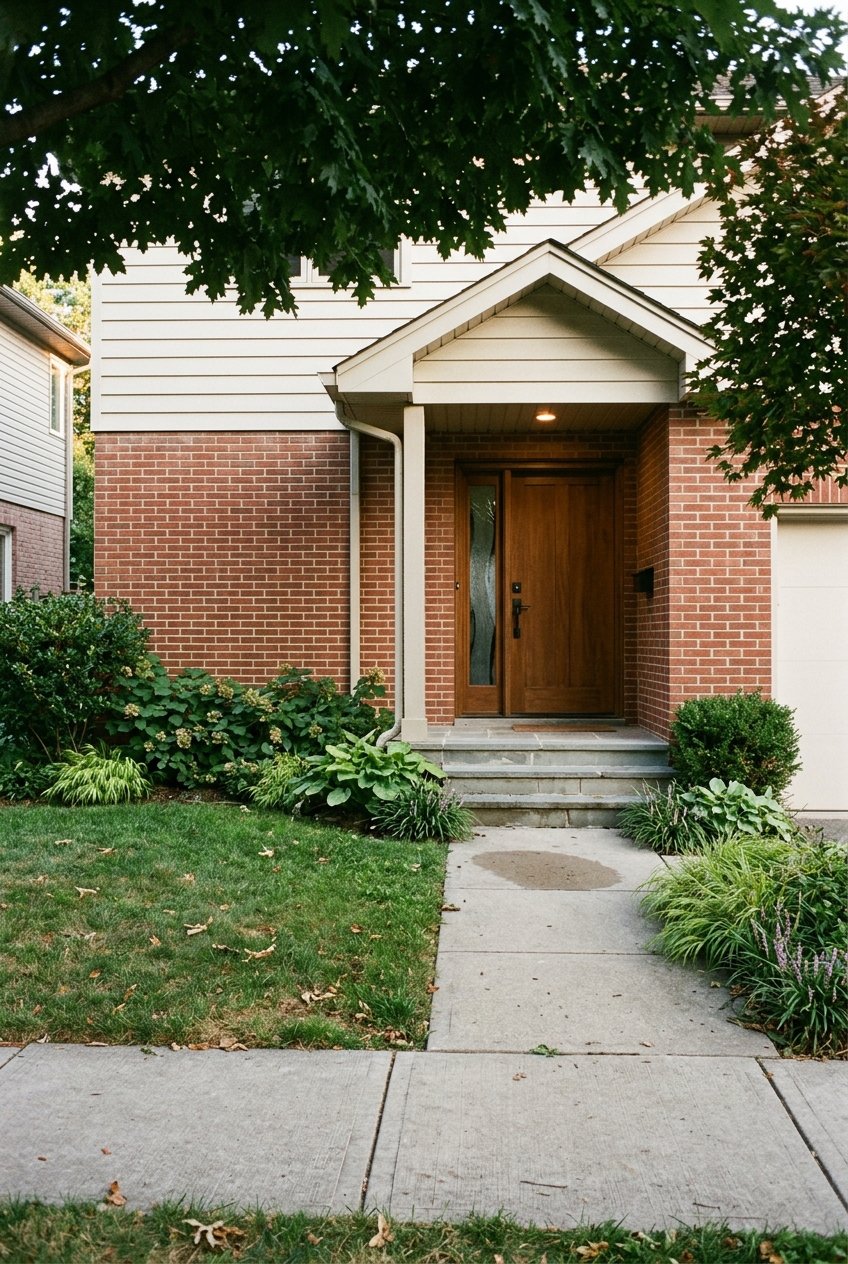
If you are thinking about a move to Silver Spring, you are probably asking the right question: what does daily life actually feel like here? This is not a sleepy suburb tucked far from the action. Silver Spring offers a more connected, fast-moving lifestyle with transit, dining, parks, and housing choices all woven into everyday routines. This guide will help you picture what it is like to live here day to day so you can decide whether the fit feels right for you. Let’s dive in.
What daily life feels like
Silver Spring works best for people who want access, activity, and options close at hand. The area has 81,015 residents, and the community reflects a broad mix of backgrounds, with 33.9% of residents born outside the United States and 43.9% speaking a language other than English at home.
That diversity shows up in the rhythm of daily life, from the food scene to the mix of public spaces and local events. It also feels like a place built around movement, with a mean travel time to work of 34 minutes and a downtown that shifts from business hours to evening and weekend entertainment.
Montgomery County says downtown Silver Spring includes more than 260 employers and nearly 13,000 employees. In practical terms, that means you are not just moving near Washington. You are moving into a center with its own workday energy and after-hours activity.
Getting around Silver Spring
Transit is a real lifestyle perk
One of Silver Spring’s biggest strengths is how many ways you can get around without relying on a car for every trip. MARC identifies Silver Spring as a Brunswick Line station with connections to the WMATA Red Line, Metrobus, and Montgomery County Ride On routes including 1, 2, 3, 4, 5, 8, 9, 11 through 22, and 28.
That kind of access can change your weekly routine in a real way. If you commute, head into DC, or prefer neighborhoods where errands and outings feel more connected, Silver Spring stands out from many suburban markets.
MARC also notes that tickets are sold at the TRiPS store inside the Sarbanes Transit Center, next to the westbound MARC platform. For newcomers, that is one more sign that transit here is not an afterthought. It is part of how the area functions.
Driving and parking take more planning
The convenience of transit comes with tradeoffs. Montgomery County’s Transportation Management District describes downtown mobility as a mix of expanded transit service, constrained parking, and fringe park-and-ride lots.
That means car-free or car-light living can be realistic, but if you drive daily, you will want to think carefully about parking and traffic patterns. Your home search may also need to weigh convenience differently depending on whether transit access or dedicated parking matters more to you.
Purple Line construction is part of the picture
Silver Spring is also in an active construction period tied to the Purple Line. Official updates point to ongoing work around the Paul S. Sarbanes Transit Center, Bonifant Street, Wayne Avenue, and the Silver Spring Library station area, with lane shifts, closures, and detours still affecting parts of downtown.
The current expectation is for passenger service in late 2027. Over time, that should improve east-west rail connections, but right now it is important to expect some disruption in and around downtown as part of everyday life.
Parks and recreation nearby
Silver Spring’s green space is not centered on one giant destination park. Instead, parks and recreation are spread through the area in ways that can make them easy to fold into your routine.
Jesup Blair Park is a 15-acre park downtown with a playground, soccer field, lighted basketball and tennis courts, picnic areas, an amphitheater, and walking paths. It gives you a practical mix of open space and activity space close to the urban core.
Sligo-Bennington Neighborhood Park adds another layer with a playground, multiuse field, tennis courts, picnic space, and walking and biking trails. If you like having outdoor options nearby for a quick reset, these kinds of amenities help balance the area’s density.
The Silver Spring Recreation and Aquatic Center adds indoor flexibility with pools, a gymnasium, dance studios, multipurpose rooms, and a culinary arts kitchen. For many newcomers, that kind of year-round recreation matters just as much as parks.
Montgomery Parks is also building Bottleworks Lane Park downtown. Plans include a multi-sport court, fitness and game areas, a playground and nature-play area, dog runs, picnic spots, a promenade, and a terrace, which points to even more public space options ahead.
Dining and arts shape the neighborhood
The food scene is part of everyday convenience
If you enjoy variety, Silver Spring makes a strong first impression. The dining scene includes African and Caribbean, Latin American and Spanish, Asian, Mediterranean and Middle Eastern, American, cafés, artisan-focused spots, specialty dining, and food halls.
That variety is not just a bonus for weekends. It affects everyday living in a real way because you have more options for quick dinners, coffee runs, casual meetups, and nights out without traveling far.
Arts and events keep downtown active
Montgomery County says the Silver Spring Arts and Entertainment District was designated by the State of Maryland in 2001 and is now home to more than 50 arts and humanities organizations. That gives the area a steady stream of cultural activity that helps downtown stay active beyond office hours.
Downtown attractions highlighted by the county include the Fillmore, Regal Majestic, the Montgomery College Cultural Arts Center, the Montgomery College Planetarium, public art, and parks and plazas. For you, that can translate into a neighborhood where entertainment is built into the weekly rhythm, not reserved for special occasions.
What housing looks like here
Expect a mixed housing stock
Silver Spring does not revolve around just one housing type. According to ACS data, 43.1% of housing units are in buildings with 20 or more units, 29.9% are detached single-family homes, 5.5% are attached single-family homes, and 11.2% are in buildings with 5 to 19 units.
That mix creates more choice, but it also means your search may involve tradeoffs between space, building style, maintenance, and access to downtown. Many newcomers compare apartments and condos with townhomes and older detached houses rather than focusing on one category alone.
Older homes are part of the story
A large share of the housing stock was built in the 1940s, 1950s, 1960s, and 1970s. That can mean more architectural variety and established blocks, but it can also mean you should look closely at layout, updates, and long-term maintenance when comparing options.
For buyers, older housing can create interesting choices between character and convenience. For renters, it can mean a wider spread of building types and living experiences depending on where you land.
Costs reflect location and convenience
Silver Spring’s convenience comes at a price point that is important to understand early. QuickFacts reports a median owner-occupied home value of $643,300, median monthly owner costs of $2,845 with a mortgage, and a median gross rent of $1,913.
For many people, the math comes down to priorities. You may pay more than you would in a farther-out suburb, but you are also paying for proximity to DC, stronger transit access, and a dense mix of amenities.
Is Silver Spring a good fit for you?
Silver Spring can be a strong fit if you want an urban-suburban setting where transit, restaurants, arts, and public amenities are part of your regular routine. It may also appeal to you if you like having a mix of condos, apartments, townhomes, and detached houses to consider in one broader area.
At the same time, it helps to go in with clear expectations. Parking can be tighter, downtown construction is still affecting parts of daily movement, and housing costs may feel high compared with less central locations.
That is why a good move here starts with matching the neighborhood to your real lifestyle, not just your wish list. If you are weighing commute patterns, building types, rental options, or a future purchase, a grounded local strategy can make the decision much easier.
Whether you are relocating, renting, buying your first home, or planning a move within the DC area, Bediz Group can help you sort through the options and build a plan that fits how you want to live.
FAQs
What is everyday life like in Silver Spring for newcomers?
- Silver Spring feels active, connected, and urban-suburban, with transit access, a busy downtown, diverse dining, arts venues, and parks all shaping day-to-day life.
How easy is commuting from Silver Spring, Maryland?
- Silver Spring has strong transit connections through the MARC Brunswick Line, WMATA Red Line, Metrobus, and multiple Montgomery County Ride On routes, which can make commuting easier than in many suburban areas.
What should you know about driving in downtown Silver Spring?
- Driving is possible, but downtown includes constrained parking, fringe park-and-ride patterns, and construction-related detours that can make planning more important.
What kinds of homes can you find in Silver Spring?
- Silver Spring includes a broad mix of housing, with many apartments and condos, along with townhomes and detached single-family homes built across several decades.
Is Silver Spring expensive compared with farther-out suburbs?
- Costs can run higher because of the area’s proximity to DC, transit access, and strong amenity base, with reported figures including a median owner-occupied value of $643,300 and median gross rent of $1,913.
What amenities make Silver Spring appealing to residents?
- Many residents are drawn to the combination of parks, recreation facilities, dining variety, arts venues, and a downtown that stays active during both the workweek and weekends.