If you are condo shopping in Bloomingdale or Eckington, you are not just choosing a floor plan. You are also choosing between two different styles of neighborhood growth, two different kinds of buildings, and two very different ownership experiences. If you want to understand where the newest options are, what conversions really offer, and what details deserve a closer look before you buy, this guide will help you sort it out. Let’s dive in.
Why Bloomingdale and Eckington stand out
Bloomingdale and Eckington sit within DC’s Mid City East planning area, where city planning goals include preserving historic resources, supporting commercial corridors, expanding housing options, and improving connectivity. That larger planning context helps explain why new housing here often feels more layered and neighborhood-specific than in areas shaped by rapid, large-scale redevelopment.
Bloomingdale is a designated historic district with a housing pattern defined largely by brick rowhouses. Its historic character has shaped how new condo inventory appears, with many opportunities coming through smaller conversions rather than through high-rise construction.
Eckington has a somewhat different development story. It includes a residential core and industrial land along some edges, and recent reporting has tied its appeal to access to Alethia Tanner Park, the Metropolitan Branch Trail, and nearby Red Line stations. That mix has made room for both newer mixed-use projects and townhouse-style condo developments.
What new condos look like here
Bloomingdale favors smaller conversions
In Bloomingdale, many condo opportunities come from converted apartment buildings or rowhouse projects instead of major new towers. A good example is Beale House, which transformed a 1926 apartment building into 16 condos while keeping the masonry exterior and fully rebuilding the interiors.
That type of project tends to offer a more intimate scale. Reported features at Beale House included two-bedroom, two-bath layouts, open plans, built-in appliances, externally vented kitchens, Juliet balconies on upper floors, bike storage, and a landscaped courtyard.
This pattern matters if you want a home that feels connected to the neighborhood’s historic fabric. In Bloomingdale, newer condo living often comes wrapped in an older shell, with more character and fewer units than a typical large building.
Eckington includes larger new projects
Eckington has also seen larger and more contemporary condo development. At 1625 Eckington at Quincy Lane, a 12-story building brought 179 units into Eckington Yards, along with retail and a long list of shared amenities.
Reported features there included a rooftop pool, fitness center, cafe and hosting kitchen, green roof, grilling station, concierge service, parking, and bike storage. The project was also described as part of a pedestrian-prioritized setting, which shows how some of Eckington’s inventory is arriving through mixed-use infill instead of one-off conversions.
That bigger-picture growth is important. Reporting on Eckington Yards described a planned four-building mixed-use district with 670 residential units and 70,000 square feet of retail, giving buyers a sense of how much of Eckington’s new inventory is tied to larger master-planned development.
Townhouse-style condos add another option
Eckington is not only about mid-rise buildings. City Homes introduced a different format, with 45 townhouse-style condos designed with private patios, terraces, balconies, penthouse roof terraces, and garage parking.
For some buyers, that creates a middle ground between a traditional condo and a rowhouse. You may get newer systems and condo ownership structure, while still enjoying private outdoor space and a more house-like layout.
Finishes and amenities to expect
New construction leans turnkey
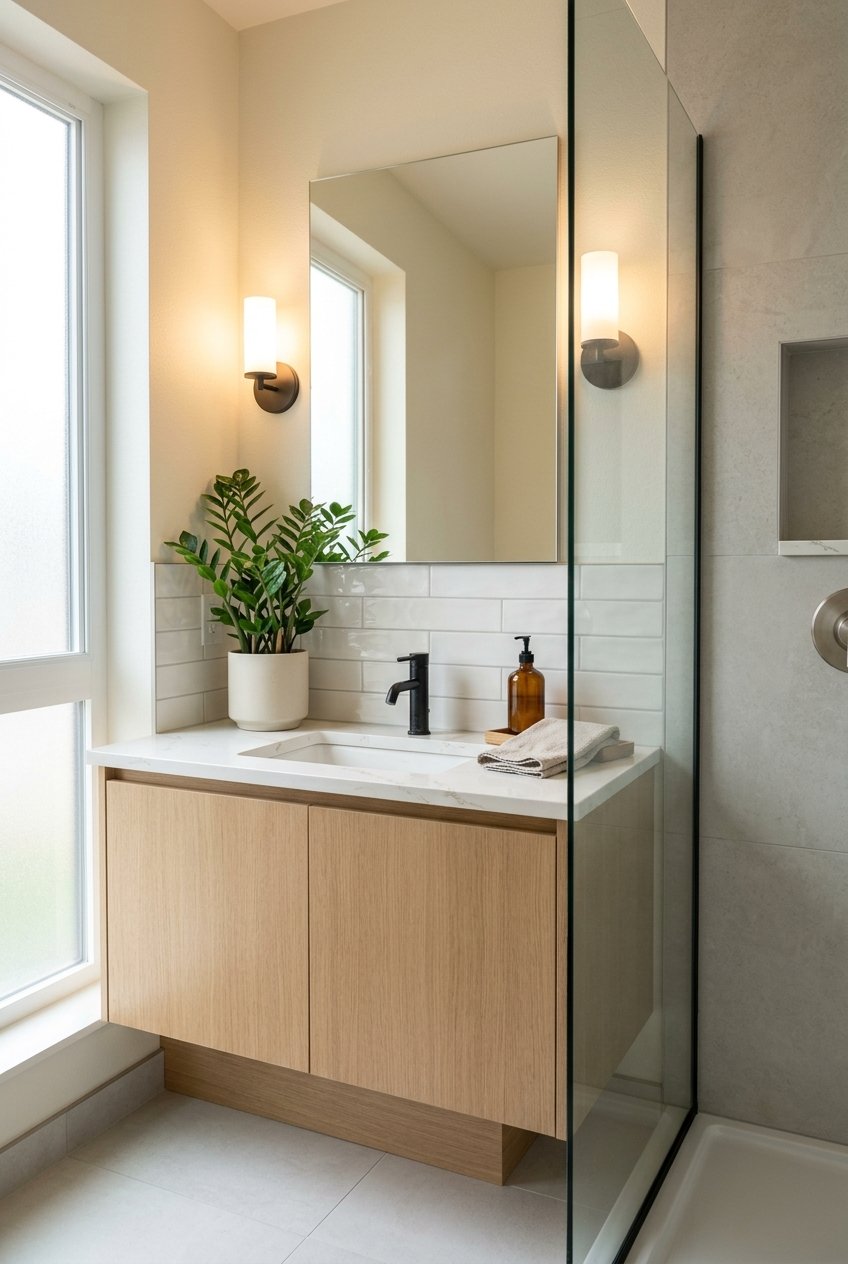
Recent new-construction examples in these neighborhoods show a fairly consistent finish profile. At 1625 Eckington, reported standard features included nine-foot ceilings, hardwood floors, floor-to-ceiling windows, Bosch appliances, Porcelanosa cabinetry, quartz counters, and black matte fixtures.
At City Homes, reported finishes included Fisher & Paykel appliances, flat-panel cabinetry, quartz countertops and backsplashes, matte-black bath hardware, deep soaking tubs, and multiple private outdoor spaces. If you want clean lines and modern materials, newer Eckington projects may feel very familiar in the best way.
Conversions often deliver more character
Converted or rowhouse-style condos often lean more on the personality of the original structure. In Bloomingdale, examples highlighted by local reporting included features like wood floors, exposed brick, in-unit laundry, renovated baths, roof decks, outdoor kitchens, and even hot tubs in upper-level units.
That does not mean every conversion feels the same. It does mean you are more likely to see preserved masonry, quirky layouts, private entries, balconies, courtyards, or roof decks instead of a broad shared amenity package.
Price range and monthly costs
The market in Bloomingdale and Eckington spans a wide range of price points. Recent reporting highlighted a Bloomingdale condo at $429,000, an Eckington condo at $699,000, an Eckington rowhouse at $885,000, a Bloomingdale penthouse at $1.08 million, and a Bloomingdale end-unit rowhouse at $1.51 million.
That spread is a reminder that “condo” does not automatically mean entry-level, and “new” does not always mean the same thing from one project to the next. Unit size, outdoor space, parking, finishes, and building amenities can shift value quickly.
Monthly carrying costs matter just as much as purchase price. At 1625 Eckington, condo fees were reported from $325 to $810 per month, and parking spaces were offered separately. At City Homes, reported condo fees ranged from $310 to $489 per month.
If you are comparing homes, make sure you separate these line items clearly:
- Purchase price
- Condo fee
- Parking cost, if separate
- Estimated utilities
- Amenity value you expect to use
A lower list price can look less appealing once fees and parking are added. A higher-priced unit may feel more manageable if the fee structure and included features line up better with your lifestyle.
Condos versus rowhouses here
For many buyers, the real choice is not just Bloomingdale versus Eckington. It is condo versus rowhouse.
In general, older rowhouses tend to offer more exterior space and more ownership control. New or converted condos often concentrate newer systems, more turnkey finishes, and lower-maintenance living into a smaller footprint.
Neither option is automatically better. The best fit depends on how you live, how much maintenance you want to manage, and whether you value privacy and space more than simplicity and shared upkeep.
What to review before you buy
Check conversion registration and warranty details
For recently created or converted condominiums, the DC Department of Housing and Community Development says the developer must register the project and post warranty security before the first residential unit is conveyed. DHCD also notes that newly converted condos can carry a 5% conversion fee at settlement unless exempted.
That makes the condo conversion paperwork more than a technical detail. It is something you want to understand before closing, especially if you are comparing an older conversion with a newer project.
Verify permits and Certificate of Occupancy
The DC Department of Buildings says a Certificate of Occupancy helps confirm that a building’s use conforms to zoning, the construction code, and the Green Building Act. The agency also notes that converting a single dwelling unit to two-family flats requires an approved permit.
For rowhouse conversions in particular, permit history and the Certificate of Occupancy deserve close review. If a building has been reconfigured, you want to know that the legal and construction trail is complete.
Review the closing package carefully
The closing period is your chance to slow down and confirm the numbers and documents. The Consumer Financial Protection Bureau advises buyers to use the three-business-day window to review the Closing Disclosure carefully, ask questions, and consider attorney review.
For buyers considering an Inclusionary Zoning unit, DC rules also matter. The District says annual residency confirmation and resale-price rules apply, and it notes that most new or renovated condo buildings or townhome developments include 8% to 10% affordable units.
How to shop smarter in these neighborhoods
When you tour condos in Bloomingdale and Eckington, try to compare them in categories instead of as one big pool. A small historic conversion, a townhouse-style condo, and a large amenity building may all be called condos, but they function very differently day to day.
It helps to focus on a short practical checklist:
- How new are the systems and finishes?
- What does the condo fee actually cover?
- Is parking included, available separately, or not offered?
- Are there private outdoor spaces?
- What permits, warranties, and occupancy documents are available?
- Does the layout fit how you actually live?
That kind of side-by-side comparison can save you from getting distracted by staging or headline pricing. It also makes negotiation easier because you can identify where one property clearly outperforms another.
If you are trying to decide between Bloomingdale and Eckington, the answer often comes down to what kind of building experience you want. Bloomingdale may appeal more if you are drawn to smaller-scale conversions and historic surroundings. Eckington may stand out if you want more contemporary finishes, broader amenities, or mixed-use new development.
The right move is usually not the newest home or the biggest building. It is the one that matches your budget, your priorities, and the level of maintenance, monthly cost, and building structure you feel good about long term.
When you are ready to compare condos, conversions, and resale opportunities with a clear strategy, Bediz Group can help you evaluate the details that matter and move forward with confidence.
FAQs
What kinds of new condos are common in Bloomingdale?
- Bloomingdale often sees condo inventory through smaller apartment or rowhouse conversions rather than large new towers, with projects that may preserve historic exteriors while updating interiors.
What kinds of condo buildings are common in Eckington?
- Eckington includes both larger mixed-use condo buildings with shared amenities and townhouse-style condo developments with private outdoor space and a more house-like feel.
What features do new condos in Eckington usually include?
- Recent examples have included modern finishes such as hardwood floors, quartz counters, large windows, updated appliance packages, bike storage, parking options, and in some buildings amenities like fitness centers and rooftop spaces.
What should you check before buying a converted condo in DC?
- You should review project registration, warranty security, permit history, Certificate of Occupancy details, condo documents, and any settlement charges tied to the conversion.
How do condo fees vary in Bloomingdale and Eckington?
- Fees can vary widely by building and amenity package, with reported examples in Eckington ranging from the low $300s to more than $800 per month.
How do condos compare with rowhouses in Bloomingdale and Eckington?
- In general, rowhouses offer more exterior space and ownership control, while condos often offer newer systems, lower-maintenance living, and sometimes shared amenities in a smaller footprint.