Dreaming of beach access without the constant bustle of an oceanfront address? Selbyville offers a different kind of coastal ownership experience, one that blends small-town footing with easy access to the Delaware and Maryland shore. If you are weighing a second home, a future full-time move, or an investment in coastal Delaware, understanding how Selbyville actually works can help you buy with more confidence. Let’s dive in.
Why Selbyville appeals to coastal buyers
Selbyville is best thought of as an inland coastal base, not a town directly on the beach. According to the town’s comprehensive plan, it sits at the southern tip of Delaware Route 113, borders Maryland to the south, and connects to the coast through Route 54, a common beach-access route.
That location is a big part of the appeal. You can enjoy access to nearby beach destinations like Bethany Beach, Dewey Beach, Rehoboth Beach, Ocean City, and Fenwick-area waterfront communities while coming home to a setting that is more grounded in everyday living.
For many buyers, that balance matters. You may want a place that supports summer fun and weekend escapes, but also feels practical for errands, routines, and longer stays throughout the year.
What coastal ownership looks like here
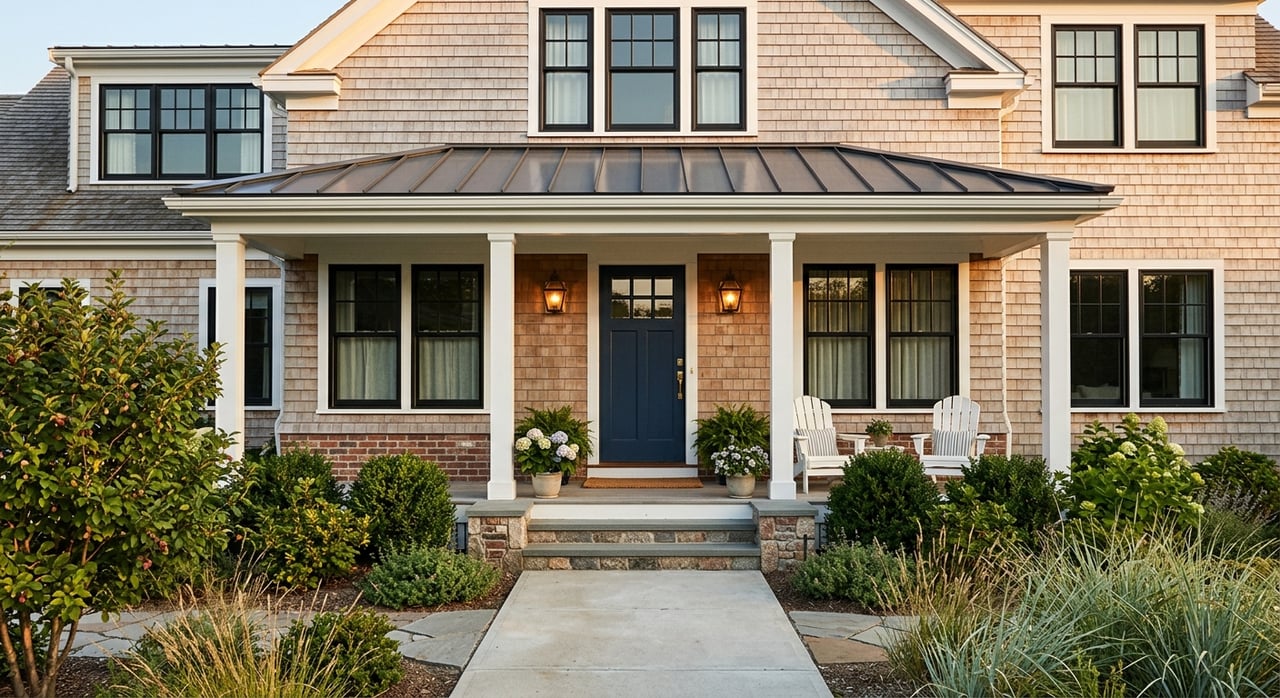
Owning in Selbyville often feels different from owning a classic standalone beach cottage. In many parts of the local market, the experience is shaped by planned communities, HOA structures, and amenity-rich neighborhoods that are designed around coastal living.
Official community information helps show that clearly. Bayside Resort Golf Club describes a beach resort community about four miles from the beach, with pools, fitness, racquet sports, kayaking, dining, a clubhouse, and year-round activities. Bayville Shores describes a private community on Little Assawoman Bay and Dirickson Creek, about three miles from Fenwick Island beaches, with a boat launch, docks, pools, courts, and HOA governance.
That means your version of a coastal retreat in Selbyville may include much more than the home itself. It can also include shared amenities, rules, maintenance standards, and a lifestyle that feels closer to a resort community than a traditional beach-town street.
Housing options in Selbyville
If you are trying to picture the housing mix, detached single-family homes are the most common type. The town’s comprehensive plan reports that detached homes made up 84.8% of the housing stock in the 2012 to 2016 ACS snapshot embedded in the plan.
That same data shows a smaller share of townhouses, duplexes, and multifamily housing. It also points to a market that mixes older homes with newer construction, with 28.9% of the housing stock built since 2000 and 79.3% built since 1950.
In practical terms, that gives you options. You may find a more traditional in-town property, a newer home in a coastal-adjacent neighborhood, or a resort-style community setting with a more structured ownership experience.
Can Selbyville work year-round?
Yes, and that is one reason buyers keep it on their radar. The town website highlights civic resources such as a park, library, fire company, community club, historical society, and chamber of commerce, which helps paint a picture of a place that functions beyond peak vacation months.
That matters if you are not looking for a home that only makes sense in July and August. Whether you plan to live there full time, stay for long stretches, or use the property as a flexible second home, Selbyville offers a setting with year-round local infrastructure.
It also helps that the town is within roughly a two to three hour drive of Washington, D.C., Baltimore, and Philadelphia, according to the comprehensive plan. For buyers coming from the broader Mid-Atlantic, that makes it a practical weekend or hybrid-use location.
Understand the seasonal rhythm
Part of owning near the coast is knowing that the calendar shapes the experience. Selbyville promotes itself as a gateway to the beaches, and nearby resort communities publish seasonal operating patterns for amenities like pools, dining, and water access.
That usually means the area feels most active in spring, summer, and early fall. In the shoulder seasons, the pace tends to shift toward a quieter, more residential feel, especially in communities where some amenities run on limited schedules.
This is not a drawback for most buyers, but it is something to plan around. If you are purchasing for personal use, you will want to think about how often you expect to visit outside peak season and what services or amenities matter most during those months.
Storm season is part of coastal planning
Owning a coastal retreat also means paying attention to storm preparedness. NOAA says the Atlantic hurricane season runs from June 1 through November 30, with peak activity typically in August and September.
For a property in or near Selbyville, that timeline can affect how you plan maintenance, monitor forecasts, and prepare the home before late summer and early fall. Even if the home is not directly oceanfront, coastal weather planning is still part of responsible ownership.
The Town of Selbyville also highlights floodplain and hurricane-preparation resources on its website. That reinforces an important point: buying near the coast should come with a realistic plan for preparedness, not just excitement about beach access.
Flood risk deserves early attention
Flood risk is one of the most important practical issues to review before you buy. Sussex County states that more than one-fifth of all properties are within identified flood plains, and the county directs property owners to updated flood maps and related resources.
The Town of Selbyville also links to Delaware DNREC’s Flood Planning Tool, which is designed to help homeowners, real estate professionals, developers, and planners evaluate flood risk using current and preliminary map layers. For buyers, this can be an important step in understanding a property beyond its photos and floor plan.
Insurance timing matters too. Delaware’s Department of Insurance says most flood insurance is backed by the National Flood Insurance Program and that policies generally have a 30-day waiting period before taking effect.
That is why it helps to ask flood-related questions early in the process. You do not want to wait until you are close to closing, or worse, close to a storm, to start understanding your insurance path.
HOA rules can shape daily life
If you buy in a resort-style or planned community, the association documents deserve real attention. In places like Bayville Shores, published rules show that amenity access may require fobs and that exterior changes may need board approval.
The same rules can also regulate parking, pets, grills, guest access, rentals, and quiet hours. None of that is unusual in an amenity-rich coastal community, but it does affect how you use and enjoy the property.
This is especially important if you are buying with a specific lifestyle in mind. Before you commit, make sure the community’s rules align with how you expect to live in the home, host guests, or manage the property.
How to buy smarter in Selbyville
A thoughtful Selbyville purchase starts with matching the property to your actual goals. If you want low-maintenance ownership and built-in amenities, a community setting may fit well. If you value a more independent setup, an in-town or less structured property may be the better match.
It also helps to look beyond the home itself and ask practical questions like:
- How close is the property to the beaches and bay access you plan to use most?
- Is the home in or near a flood-prone area?
- What are the insurance implications?
- Are amenities seasonal or year-round?
- What rules come with the HOA or condo structure?
- Does the property work for weekend use, full-time living, or both?
These questions can keep you focused on ownership reality, not just first impressions. In a market like Selbyville, that kind of clarity often leads to a better long-term fit.
Why local guidance matters
Coastal buying is rarely just about choosing a pretty home. You are also evaluating location, access, seasonality, community structure, flood considerations, and how the property fits your lifestyle and long-term plans.
That is where strong guidance matters. A good real estate team can help you compare community types, understand what ownership may feel like month to month, and keep practical issues from becoming surprises later.
At Bediz Group, that means helping you move from broad coastal interest to a more informed strategy. Whether you are exploring a second home, a relocation, or a lifestyle shift toward Delaware, the goal is to help you make a decision that feels exciting and well grounded.
If you are considering a coastal retreat in Selbyville, Bediz Group can help you evaluate the options with a clear plan and local perspective.
FAQs
Is Selbyville, Delaware actually on the beach?
- No. Selbyville is an inland town with direct access to nearby beaches and bay-oriented communities rather than a true oceanfront town.
What types of homes are common in Selbyville, Delaware?
- Detached single-family homes are the dominant housing type, with townhouses, multifamily housing, and resort-style HOA communities also part of the market.
Can a Selbyville, Delaware home work as a full-time residence?
- Yes. The town’s civic resources, year-round infrastructure, and mix of housing options support both full-time living and second-home ownership.
Is flood insurance important for a Selbyville, Delaware property?
- It can be. Sussex County has significant flood-plain exposure, and Delaware guidance notes that most flood insurance is NFIP-backed and generally has a 30-day waiting period.
Do Selbyville, Delaware resort communities have HOA rules?
- Yes. In some communities, rules may cover amenity access, exterior changes, parking, pets, rentals, grills, guest use, and quiet hours.
When is storm season most relevant for Selbyville, Delaware homeowners?
- The Atlantic hurricane season runs from June 1 through November 30, with peak activity typically in August and September.