If you are thinking about buying a condo in Logan Circle, you are probably asking two big questions at once: What kind of home can I actually get here, and what will ownership really cost me month to month? That is a smart place to start. Logan Circle offers a wide range of condo options, from historic conversions to full-service elevator buildings, and the numbers can vary more than many buyers expect. This guide will walk you through the condo types, price points, fees, and building questions that matter most so you can move forward with more clarity. Let’s dive in.
Logan Circle Condo Basics
Logan Circle is centered around a historic circle park and a long-established historic district. The District of Columbia designated the Logan Circle Historic District in 1972, with a period of significance from 1875 to 1900.
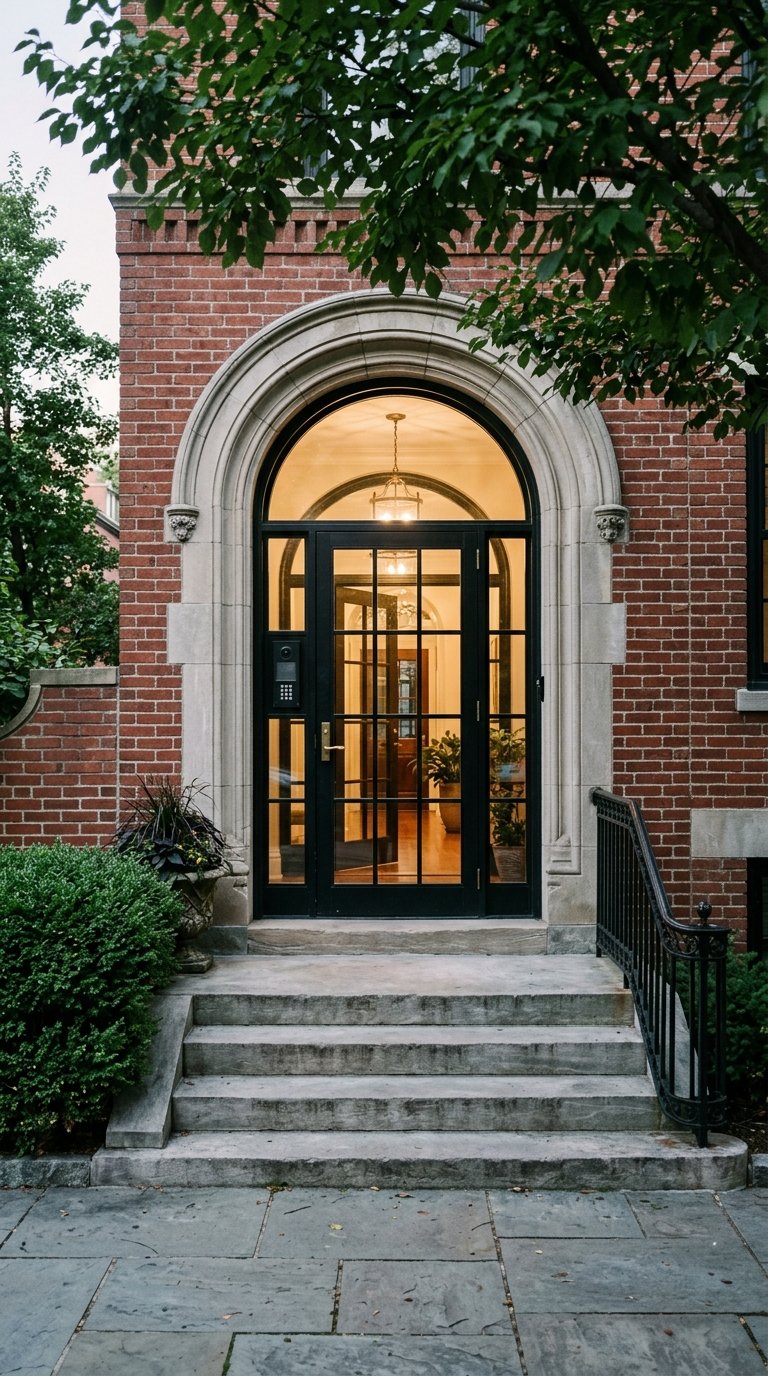
That history still shapes what you will see as a buyer today. Much of the original housing stock was built as three- to three-and-a-half-story brick and stone rowhouses, and many of those buildings were later converted into apartments or flats.
In practical terms, that means Logan Circle condo inventory is not one-size-fits-all. You are more likely to see a mix of historic rowhouse conversions, boutique condo buildings, and newer multifamily or elevator buildings than a neighborhood full of identical condo towers.
Condo Types You Can Expect
Historic rowhouse conversions
One of the most common Logan Circle condo formats is the historic conversion. These units often sit inside older rowhouses and smaller buildings, which can mean unique layouts, architectural character, and lower unit counts.
You may find features like private entrances, original exterior details, or multi-level floor plans. A current example in the neighborhood is a c.1900 rowhouse conversion at 1225 11th St NW #4, marketed as a two-level condo with a private outside entrance.
Boutique condo buildings
Boutique buildings are also common in Logan Circle. These usually offer a smaller number of residences and may strike a balance between charm and modern updates.
For example, a one-bedroom at 1423 R St NW in a 1925 boutique building is listed with a relatively modest monthly HOA compared with some larger buildings nearby. For many buyers, this type of property can feel like a middle ground between a historic conversion and a more amenity-heavy building.
Mid-century and full-service buildings
Logan Circle also includes larger elevator buildings with more extensive services. Buildings like Towne Terrace West at 1440 N St NW are marketed with features such as a rooftop pool and terrace, staffed front desk, laundry on every floor, and bike storage.
Some listings in these buildings also note that utilities are included in the monthly fee. If convenience and building services matter to you, this category may deserve a closer look, even if the monthly HOA is higher.
Newer construction and penthouses
At the higher end of the market, you will also see newer boutique developments and penthouse units. A current example is 1208 M Street, a boutique elevator building with new-construction pricing starting at $659,900.
There are also more premium offerings, such as a 2016 penthouse at 1311 13th St NW listed at $1,099,000 with a significantly higher monthly HOA. These properties may offer newer systems, private outdoor space, and more polished finishes, but they come with a different cost structure.
What Prices Look Like Right Now
Current condo data for Logan Circle show about 100 active condos with a median listing price of $550,000. Typical market time is around 51 days, with about one offer per listing on average.
That matters because many buyers assume central DC neighborhoods always behave like intense bidding-war markets. Right now, Logan Circle appears more balanced, with Realtor.com classifying it as a buyer’s market in February 2026 and reporting homes selling for 2.26% below asking on average.
Entry-level budget range
In the low-$200,000s to low-$300,000s, you are generally looking at smaller studios or compact one-bedrooms. Current examples include a listing around $237,500 at 1440 N St NW and another at 1239 Vermont Ave NW APT 204 listed at $319,000.
This is also where buyers need to look beyond the purchase price. That $319,000 example carries an $857 HOA, which is a strong reminder that a lower price does not always mean a lower monthly cost.
Mid-range budget range
Around $375,000 to $550,000, many buyers will find updated one-bedrooms and some entry-level two-bedrooms. Examples include 1245 13th St NW #412 at $399,000 and 1423 R St NW APT 402 at $515,000.
This is often the sweet spot for buyers who want a better balance of location, finishes, and monthly cost. Still, building-by-building differences remain important.
Upper-range budget range
From roughly $650,000 and up, you will usually see newer, larger, or more amenity-rich condos. That includes newer boutique inventory starting around $659,900 and penthouses that move into the $1 million-plus range.
The spread in Logan Circle is wide enough that neighborhood averages only tell part of the story. A studio around $237,500 and a penthouse over $1 million can exist within the same neighborhood, so comparing buildings carefully is more useful than relying on one median price alone.
Why Condo Fees Matter So Much
One of the biggest surprises for condo buyers in Logan Circle is how much monthly fees can vary. In DC, condo fees are typically shaped by the building’s operating needs, including things like insurance, common-area utilities, janitorial service, trash service, routine maintenance, staffing, landscaping, and reserve contributions.
A broad local range can run from about $300 to $1,000 or more per month, with luxury buildings going higher. Logan Circle listings reflect that spread clearly, from around $300 at 1423 R St to $996 at 1311 13th St Penthouse 1.
What a fee may cover
The fee might include some or all of the following:
- Building insurance
- Common-area maintenance
- Trash and janitorial service
- Landscaping
- Reserve funding
- Front desk or concierge staffing
- Bike storage
- Rooftop amenities
- Some or all utilities
Two buildings with similar list prices can feel very different once you factor in what the HOA covers. A higher fee is not automatically a bad sign, but you do want to understand exactly what you are paying for.
A local Logan Circle wrinkle
In Logan Circle, buildings with more than three units do not receive city trash collection. That means many condo associations need to budget separately for private trash service.
This is one reason a monthly fee can look high even in a smaller building or unit. It is not always about luxury amenities. Sometimes it reflects basic operating costs that owners collectively have to cover.
Insurance and Ownership Responsibilities
Your condo fee is only part of the monthly ownership picture. In DC, condominium owners own the interior walls and floor of the unit, and the DC Department of Insurance, Securities and Banking says owners should review their bylaws to understand their required coverage.
That makes an HO-6 condo policy an important part of your planning. Some associations may also assess owners for certain damage to the building, so it is worth understanding where the association’s master policy ends and your personal responsibility begins.
What To Expect When You Make an Offer
If you expect every Logan Circle condo to attract a pile of offers immediately, current market conditions suggest a more nuanced picture. Some listings are still described as hot homes, but overall condo data point to about 51 days on market and one offer per listing on average.
Some active listings also show price cuts or concessions, including offers like prepaid HOA dues or closing credits. That does not mean every seller is flexible, but it does mean you may have more room for negotiation than you would expect in a tighter market.
Questions To Ask Before You Buy
In DC, condo owners have the right to attend meetings and inspect books and records, and buyers should request association documents before writing an offer. This is one of the most important parts of condo due diligence.
As you tour properties, ask questions that help you understand both the unit and the building behind it.
Smart questions for a condo tour
- What exactly does the monthly fee cover?
- How strong are the reserves?
- Is the reserve study current?
- Are any special assessments planned?
- Who is responsible for windows, roof, balconies, plumbing stacks, and HVAC?
- Are parking and storage deeded, assigned, or rented?
- Are there rental caps, pet rules, move-in fees, or other building-specific restrictions?
Documents to request early
Before you write an offer, ask for:
- The condo budget
- Recent meeting minutes
- The reserve study
- The insurance summary
- The condo documents and bylaws
These documents can tell you a lot about how the building is run, whether deferred maintenance may be an issue, and whether a lower monthly fee today could lead to higher costs later.
Budget for the Full Upfront Cost
Beyond your down payment and closing costs, DC buyers should also pay attention to transfer and recordation taxes. The DC Office of Tax and Revenue states that qualified first-time homebuyers receive a reduced 0.725% recordation tax rate for houses and condominium units.
For standard residential transactions, current recordation and transfer taxes are listed at 1.1% for properties under $400,000 and 1.45% for properties at $400,000 and above. If you are comparing several condos at different price points, these taxes can meaningfully affect your cash needed at closing.
The Bottom Line on Buying in Logan Circle
Buying a condo in Logan Circle usually means choosing between very different ownership experiences within the same neighborhood. You might land in a historic rowhouse conversion with a low HOA, a mid-century full-service building with more predictable amenities, or a newer boutique building with higher pricing and newer systems.
The key is to compare the total package: purchase price, monthly fee, what that fee includes, insurance responsibilities, building reserves, and current market leverage. When you evaluate all of those pieces together, you can make a much more confident decision and avoid expensive surprises.
If you want help comparing buildings, reviewing condo docs, and building a smart offer strategy in Logan Circle, Bediz Group is here to help.
FAQs
What types of condos are common in Logan Circle?
- Logan Circle condos commonly include historic rowhouse conversions, boutique buildings, larger elevator buildings, and newer condo developments.
What is the median condo price in Logan Circle right now?
- Current Redfin condo data show a median listing price of about $550,000 in Logan Circle.
What should buyers expect for Logan Circle condo fees?
- Condo fees in Logan Circle can vary widely, with current examples ranging from about $300 to nearly $1,000 per month depending on the building, services, and amenities.
What do Logan Circle condo fees usually cover?
- Condo fees often cover building insurance, common-area utilities, trash service, maintenance, janitorial service, reserve contributions, and in some buildings, amenities or utilities.
Is Logan Circle a competitive condo market for buyers?
- Current data suggest a more balanced market than some buyers expect, with about 51 days on market, roughly one offer per listing, and some listings showing price cuts or concessions.
What condo documents should buyers request in DC?
- Buyers should request the budget, meeting minutes, reserve study, insurance summary, and condo documents before writing an offer on a Logan Circle condo.